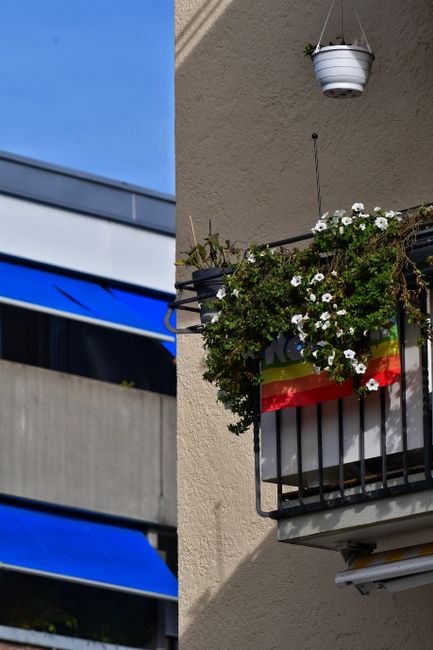
Balcony container gardening for Heston flats Hounslow West
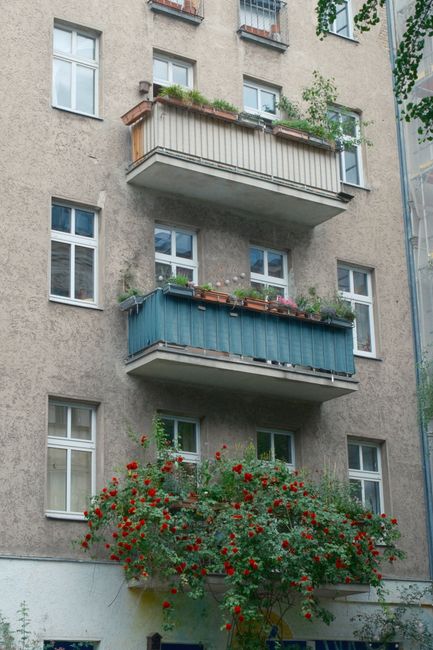
If you live in a flat near Hounslow West and your balcony feels too small for "proper" gardening, you are not alone. Balcony container gardening for Heston flats Hounslow West is exactly the kind of practical, space-smart approach that turns a few square metres into something useful, attractive, and a bit calming too. A couple of pots, the right compost, and a realistic planting plan can make a huge difference. You do not need a full garden. You just need a good layout, containers that suit the space, and plants that can cope with London weather, wind, and the occasional forgotten watering.
In this guide, we'll walk through what balcony container gardening really involves, how to set it up in a flat, what works best in this part of west London, and which mistakes tend to catch people out. There's a practical side to it, yes, but also a simple pleasure in opening the balcony door on a bright morning and seeing fresh herbs, flowers, or salad leaves doing their thing. It never gets old, to be fair.
Why Balcony container gardening for Heston flats Hounslow West Matters
Balcony gardening matters because it solves a very real urban problem: limited outdoor space. In Heston flats and across Hounslow West, many residents want greenery but do not have a garden, or only have a tiny patch that is awkward to use. Containers let you grow upward and outward without needing to dig beds, alter the structure of the building, or commit to a major landscaping project.
There's also the everyday reality of life in flats. You may want privacy from neighbouring balconies, a softer view from the kitchen or living room, or a spot to grow things you actually use. Fresh mint for tea, basil for quick dinners, cherry tomatoes in summer, or compact flowers that bring colour to a rail-facing balcony. Small wins matter more than people think.
Another reason this topic matters is that balconies can be exposed. Wind tunnels, reflected heat from brick and glass, and uneven shade all shape what will thrive. A good container setup works with those conditions instead of fighting them. That is really the difference between a balcony that looks hopeful for three weeks and one that keeps going through the seasons.
Expert summary: The best balcony gardens in flats are not the most ambitious. They are the most realistic. Choose stable containers, match plants to the light you actually have, and make watering easy enough that you will keep doing it.
How Balcony container gardening for Heston flats Hounslow West Works
At its simplest, balcony container gardening means growing plants in pots, troughs, baskets, or planter boxes rather than in open ground. On a flat balcony, the key is to treat the space like a small outdoor room. That means planning for weight, wind, sunlight, drainage, and access. Sounds technical, but it does become straightforward once you break it down.
You start by reading the space. Where does the sun land in the morning and late afternoon? Is the balcony sheltered or breezy? Is there enough room to move safely once pots are in place? These are not minor details. A north-facing balcony and a south-facing one will behave completely differently, and the planting plan should follow that reality.
Then you choose containers that suit the conditions. Terracotta looks lovely but dries quickly. Plastic is lighter and often easier to manage in a flat. Fabric grow bags can work well in a pinch, though they are not always the neatest option for a balcony you want to keep tidy. The point is not to buy everything at once. It is to pick containers that make sense for the weight limit, the weather, and your own routine.
Good compost and proper drainage are essential. A pot with no drainage is just a soggy box waiting to disappoint you. Most balcony plants do best in free-draining potting mix, with saucers used carefully if needed. And if you are growing taller plants, you'll need support or a sheltered position so the wind does not snap stems halfway through the season. Heston can get those blustery moments where the whole balcony seems to sigh. You know the kind.
Key Benefits and Practical Advantages
People often think balcony gardening is just about appearances. It is more useful than that. Done well, it brings together convenience, comfort, and a little bit of self-sufficiency. Not full self-sufficiency, let's not get carried away, but enough to notice.
- Better use of small space: A balcony can be turned into a productive area without any structural changes.
- Fresh herbs and edible crops: Even one or two compact pots can supply useful ingredients for daily cooking.
- Privacy and softness: Taller plants, climbing varieties, and layered containers can reduce the "bare balcony" feel.
- Lower-maintenance than many people expect: Once set up properly, a small container garden can be easier to manage than a larger ground-level plot.
- Seasonal colour and atmosphere: Flowering containers make a flat feel warmer and more personal, especially in winter and early spring when everything outside looks a bit grey.
- Flexibility: You can move pots around, replace tired plants, and adjust the layout without major work.
There's another quiet benefit: routine. Watering a few containers on a Saturday morning can become one of those small steady habits that makes the week feel more organised. It's not dramatic. Just helpful.
Who This Is For and When It Makes Sense
Balcony container gardening makes sense for a wide range of flat residents, but it is especially useful if you are short on outdoor space and want something practical rather than decorative-only. It suits tenants, leaseholders, first-time gardeners, busy professionals, and families who want a bit of growing space without taking on a full garden.
It also makes sense if you are testing the waters before committing to larger garden work. Maybe you are considering a bigger outdoor project later and want to learn what kinds of plants you enjoy. Or maybe you simply want a pleasant, low-risk way to improve the feel of your home. Either way, containers are a sensible starting point.
On the other hand, if you dislike regular watering or are away from home for long stretches, you will need a more self-sufficient setup. That does not rule it out. It just means choosing drought-tolerant plants, larger pots, and maybe a water-retaining mix. A little honesty at the start saves a lot of disappointment later.
For some flats, balcony gardening is also a good compromise where full landscaping is not possible. If you have already looked at broader outdoor improvements through landscaping services or need help clearing an awkward space before planting, the balcony approach can sit neatly alongside a wider plan for the property.
Step-by-Step Guidance
1. Assess the balcony first
Before buying any plants, check what your balcony can actually handle. Measure the usable floor area, note how much sunlight it gets, and make a mental note of windy corners. If railings, screens, or overhangs cast shade, that will shape the planting plan.
2. Think about weight and stability
Balconies are not all the same. Large ceramic pots full of wet compost can become heavier than people expect. Use lightweight containers where needed, spread weight evenly, and avoid clustering all the heavy items in one small area. That is just sensible, not dramatic.
3. Choose the right containers
For beginners, a mix of medium pots and one or two larger planters usually works well. Larger containers hold moisture better and are less fussy than tiny ones. If you want a tidy finish, use matching pots. If function matters most, mix and match. Nobody is marking you on aesthetics.
4. Pick plants by light level
Sunny balconies suit tomatoes, peppers, basil, thyme, oregano, nasturtiums, and many flowering annuals. Shadier spots do better with mint, parsley, chives, ferns, heuchera, begonias, and some shade-tolerant foliage plants. Partial shade can be surprisingly generous if you choose wisely.
5. Use proper compost and drainage
Choose quality container compost rather than digging soil from elsewhere. Most balcony plants do best with a free-draining mix. Make sure every pot has drainage holes, and raise pots slightly on feet if water pooling is a problem. Soggy roots are a common failure point.
6. Plant with a realistic watering routine
Watering is where most balcony gardens live or die. In warmer weeks, small pots may need attention daily. Larger pots hold moisture longer. If you know you will forget, choose bigger containers or drought-tolerant plants. A plant cannot survive on good intentions alone, sadly.
7. Add support, feeding, and tidy-up habits
Use canes, trellis panels, or compact supports for climbing plants. Feed container plants during the growing season according to the product guidance, and remove dead leaves or finished flowers regularly. These little jobs keep everything looking alive rather than half-managed.
Expert Tips for Better Results
One of the best things you can do is build in resilience from the start. That means choosing slightly larger pots than you think you need. The extra soil volume buffers temperature swings and dries out less quickly. It also gives roots room to settle, which makes the whole container feel more stable.
Group containers by water need. Herbs that like drier conditions should not be shoved beside thirsty leafy crops, because one side of the arrangement will always be unhappy. It sounds minor, but it saves time and prevents that annoying cycle of overwatering one pot while another wilts.
Use vertical space carefully. Hanging baskets, railing planters, and slim trellis panels can increase growing room without crowding the floor. Just keep access in mind. You still want to open the balcony door comfortably and move around without doing a sideways shuffle every time you go out there.
Keep a close eye on microclimates. A balcony that feels cool in the morning may become hot and reflective by midday, especially in summer. That can change watering needs dramatically. In our experience, the same plant can behave differently from one end of a balcony to the other, which is mildly irritating but also useful to know.
If you want a more polished look, repeat one or two colours in the pots and flowers. It makes even a small space feel intentional. And if you want privacy, tall potted plants can help soften sightlines without making the balcony feel boxed in. There's a useful related idea in this guide to tall potted plants for outdoor living, which fits neatly with balcony screening.
Common Mistakes to Avoid
Most balcony gardening mistakes are not dramatic. They are the small, everyday choices that add up. The good news is that they are easy to fix once you spot them.
- Using pots that are too small: Small pots dry out quickly and limit root growth.
- Ignoring wind exposure: Tall or top-heavy plants can get battered on exposed balconies.
- Choosing plants for looks alone: A plant that suits your light level will always outperform one that merely looks appealing in the shop.
- Forgetting drainage: Waterlogged compost leads to poor roots and unhappy plants.
- Overcrowding the balcony: Too many containers make watering, cleaning, and moving around harder.
- Underestimating maintenance: Even low-maintenance setups need regular checks.
- Skipping seasonal changes: A summer balcony and a winter balcony are two different spaces. Treat them that way.
Truth be told, overcrowding is the classic one. People get excited, buy five pots, then realise they have created a tiny obstacle course. Funny for a day. Less funny when the watering can gets trapped behind a tomato plant.
Tools, Resources and Recommendations
You do not need a huge kit to begin. A few reliable basics are enough, and from there you can build as needed. If you are the sort of person who likes to start simply and not overbuy, this section will feel reassuring.
| Item | Why it helps | Best use on a flat balcony |
|---|---|---|
| Watering can with a narrow spout | Helps direct water into pots without waste | Small to medium container groups |
| Lightweight containers | Easier to move and less stressful on balcony load | Rental flats and compact balconies |
| Quality container compost | Improves drainage and plant growth | Herbs, flowers, vegetables, and mixed displays |
| Hand trowel and gloves | Makes planting and maintenance easier | General potting and tidying |
| Plant supports or trellis | Helps climbing or tall plants stay upright | Privacy planting and vertical growing |
| Moisture-retaining mulch | Reduces rapid drying in hot weather | Sunny balconies and thirsty plants |
Alongside the physical tools, it helps to keep notes. A simple phone reminder for watering, feeding, and pruning can be more valuable than another gadget. If your balcony is part of a broader outdoor tidy-up, you may also find garden maintenance useful as a wider reference point for keeping things under control.
If you are clearing old pots, broken trellis, or dead plant material before starting, the same principle applies: remove the clutter first, then build the planting plan. A cleaner start often leads to better decisions. For bigger clear-outs, garden clearance can be relevant when the balcony or associated outdoor space has got a bit out of hand.
Law, Compliance, Standards, or Best Practice
Balcony container gardening is usually straightforward, but there are a few practical and responsible checks to make before you begin. In flats, especially, you should think about lease terms, building rules, and safety expectations. Not because every balcony garden is risky, but because shared living brings shared responsibilities.
Start by checking whether your lease, tenancy agreement, or building management rules mention balcony use, balcony screens, fixing items to railings, or restrictions on heavy loads. If you live in a managed block, there may be sensible limits on what can be attached or placed on the structure. It is always better to know before you fill three large planters with wet compost and then discover they are not allowed.
From a safety point of view, avoid overloading the balcony, keep pathways clear, and make sure pots cannot topple or blow over. Do not trail hoses or cables where they create a trip hazard. If you plan to install anything fixed, such as railing brackets or heavier structures, it is wise to use proper products and seek guidance where necessary.
As a general best practice, choose stable, non-toxic materials, keep drainage under control so water does not run into neighbouring balconies, and maintain the space neatly. If you are unsure about a specific building rule, ask the property manager rather than guessing. That tiny conversation can save a bigger headache later.
For broader company standards around safety and working practices, some readers also like to review pages such as health and safety policy and insurance and safety, especially if they are considering outside help for more involved outdoor work.
Options, Methods, or Comparison Table
There are several ways to approach a balcony garden, and the best one depends on your time, light, and the look you want. Here's a straightforward comparison.
| Method | Best for | Pros | Trade-offs |
|---|---|---|---|
| Herb-heavy container setup | Beginners and keen cooks | Easy to use, compact, fragrant | Needs regular picking and watering |
| Flower display balcony | Visual impact and seasonal colour | Bright, welcoming, flexible | Less productive for food crops |
| Mixed edible and ornamental containers | People wanting balance | Attractive and useful | Needs slightly more planning |
| Privacy planting with tall pots | Overlooked balconies | Softens views, creates enclosure | Taller plants may need wind protection |
| Low-maintenance drought-tolerant setup | Busy people or holiday periods | Less watering, simpler care | Fewer lush or thirsty plant choices |
If you are not sure which route to take, mixed containers are often the safest starting point. You get a bit of colour, a bit of function, and enough flexibility to adjust later without scrapping everything. It is the least dramatic option, which is often the best one.
Case Study or Real-World Example
Take a typical Hounslow West flat balcony: narrow, partly sheltered, with afternoon sun and a bit of wind at the far end. The resident wants privacy from the neighbouring building, a few herbs for cooking, and something that looks good from the sitting room. Nothing extravagant. Just nicer, calmer, more lived-in.
The setup begins with two larger lightweight planters, one placed near the rail and another near the wall. One planter holds rosemary, thyme, and trailing alyssum for softness. The second holds basil in summer, then later parsley and chives as the weather cools. A slim trellis panel supports a climbing plant, giving a little height without taking up much floor space.
Watering is handled with a small can kept by the kitchen door, so the routine is easy rather than annoying. After a few weeks, the balcony no longer feels like dead space. It feels used. A bit fragrant on warmer evenings, a bit brighter in the morning, and much more welcoming when the windows are open.
That is usually the point where people realise they didn't need a grand redesign. They needed a practical plan and the right plants. Small but steady wins. That's gardening a lot of the time, if we're honest.
Practical Checklist
Use this checklist before you start, or before you refresh an existing setup.
- Check balcony rules, lease terms, or building guidance.
- Measure the usable space and note sun, shade, and wind.
- Choose lightweight, stable containers with drainage holes.
- Use quality compost made for containers.
- Match plants to the actual light level, not the ideal one.
- Plan a realistic watering routine you can keep up.
- Leave enough room to walk, clean, and open doors comfortably.
- Add support for climbing or top-heavy plants.
- Keep plant labels or notes so you remember what you've planted.
- Review the setup after a few weeks and adjust what is not working.
If you can tick those off, you are already ahead of many first attempts. Honestly, the difference is often just planning.
Conclusion
Balcony container gardening for Heston flats Hounslow West is less about turning a tiny balcony into a showpiece and more about making the space genuinely useful. With the right containers, sensible plant choices, and a routine that fits real life, even a modest balcony can become a place you actually want to step out into.
The best setups are simple, tidy, and honest about the conditions they face. That means choosing plants for the light you have, not the light you wish you had. It means keeping the weight sensible, the watering manageable, and the design calm enough that you can enjoy it day to day. And once it starts working, it really does change how the flat feels.
Get a free quote today and see how much you can save.
Sometimes the smallest green corner makes the biggest difference. A few pots, a little care, and suddenly the balcony feels like part of home again.
Frequently Asked Questions
What is balcony container gardening in a flat?
It is the practice of growing plants in pots, planters, hanging containers, or troughs on a balcony rather than in ground soil. For flats, it is usually the easiest way to garden without needing a garden bed.
What plants grow best on a balcony in Heston or Hounslow West?
It depends on the light. Sunny balconies often suit herbs like basil, thyme, and rosemary, plus tomatoes and flowering annuals. Shadier balconies tend to do better with parsley, mint, chives, begonias, and foliage plants.
How much sun does a balcony need for container gardening?
There is no single rule, but the amount of sun matters a lot. Full sun balconies can support a wider range of crops, while partial or shade conditions call for more forgiving plants. Observe the space across the day before buying anything.
Can I grow vegetables on a small balcony?
Yes, especially compact vegetables and herbs. Cherry tomatoes, salad leaves, chillies, radishes, and courgettes in larger containers can work well if the light, watering, and wind exposure are right.
How do I stop balcony pots from blowing over?
Use heavier or wider-base containers, keep taller plants against a wall or screened area, and avoid placing light pots in the most exposed corners. A little planning goes a long way here.
Is balcony container gardening expensive to start?
It does not have to be. You can start with a few containers, compost, and a small number of plants. The main cost tends to come from better-quality pots and any support or screening you choose to add later.
How often do balcony plants need watering?
That depends on the plant, pot size, weather, and exposure. In hot or windy weather, small pots may need water every day. Larger containers and more sheltered setups usually need less frequent watering.
Do I need special compost for containers?
Yes, container compost is usually better than garden soil for pots. It drains more reliably and is designed for the tighter conditions of container growing.
What if my balcony has very little space?
Use vertical options such as railing planters, slim pots, hanging baskets, or a small trellis. Even a very tight balcony can hold a useful and attractive planting scheme if you keep the layout disciplined.
Are there any rules I should check before gardening on a balcony?
Yes. Check your tenancy or lease terms and any building management rules about balcony use, attached planters, or heavy items. It is also wise to keep the area safe, tidy, and free from overloading.
Can balcony gardening improve privacy?
It can. Taller pots, climbing plants, and layered containers can soften sightlines and make the space feel more secluded. It is not total screening, but it can make a noticeable difference.
What is the easiest balcony garden for beginners?
A simple herb setup is often the easiest. Start with basil, mint, chives, or parsley in a few good-sized pots, then add flowers or salad leaves once you are comfortable with watering and maintenance.