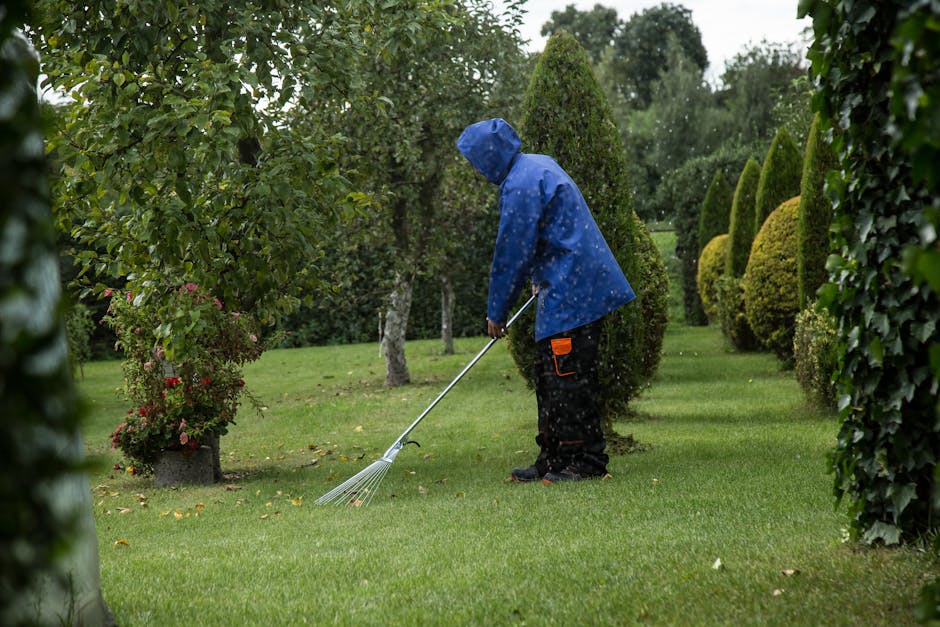
Gardeners in Heston Trusted Local Garden Maintenance
If your garden in Heston has started to feel a bit unruly, you are not alone. Between weather swings, busy weekdays, and the never-ending cycle of mowing, pruning, and tidying, even a small outdoor space can quickly get away from you. That is where Gardeners in Heston Trusted Local Garden Maintenance comes in: steady, local help that keeps your garden looking cared for without turning it into a weekend project every week.
Whether you need regular lawn care, seasonal clearance, hedge trimming, planting support, or just a dependable pair of hands, the right local gardener should make life easier, not more complicated. This guide explains what trusted garden maintenance actually includes, how it works, what to expect, and how to choose a service that feels genuinely reliable. A garden should feel like a relief when you step outside. Not another job list.
Why Gardeners in Heston Trusted Local Garden Maintenance Matters
Garden maintenance is one of those services people often delay until the borders are messy, the grass is patchy, and the hedge has gone from tidy to slightly ambitious. In Heston, that can happen fast. Gardens in London suburbs deal with compact plots, shaded corners, shared boundaries, and a mix of old and new planting. So a one-size-fits-all approach rarely works all that well.
Trusted local maintenance matters because it combines practical care with local knowledge. A gardener who works regularly in the area will understand how quickly weeds return after rain, how compacted soil behaves in small front gardens, and why some gardens never quite get enough sun for that "easy lawn" look people dream about. Truth be told, the wrong maintenance routine can create more work than it saves.
There is also a trust element that matters more than many people realise. A garden sits right outside your home. You want someone who turns up when they say they will, treats gates and access carefully, and leaves the place better than they found it. That is the difference between a casual cut-and-go job and proper local garden maintenance.
If you are comparing providers, it helps to start with a clear view of what a full service should cover. A useful place to begin is the services overview, especially if you want a broader picture before asking for a visit.
How Gardeners in Heston Trusted Local Garden Maintenance Works
In practical terms, garden maintenance is usually a recurring service built around the seasons and the condition of your outdoor space. It can be weekly, fortnightly, monthly, or arranged as a one-off tidy-up. The best arrangement depends on how much growth you get, how large the garden is, and how much you want to do yourself.
Most local maintenance visits begin with a quick assessment. That might include checking the lawn, looking at hedge growth, spotting weeds in paved areas, and noting whether shrubs need deadheading, trimming, or shaping. Then the work is done in a sensible order: cut, trim, tidy, clear, and dispose. Simple enough on paper. In reality, the difference is in the detail.
A good gardener will not just "do the visible bits". They will notice drainage issues, overgrown edges, stressed planting, and areas where the garden is losing structure. Small observations like that can stop bigger problems later. For example, if a hedge is getting leggy on one side because of shade, you can adjust how it is pruned before it becomes an annual frustration.
Many customers like having a maintenance plan that changes through the year. Spring may focus on clearing winter debris and resetting the borders. Summer is often about mowing, edging, and keeping growth controlled. Autumn brings leaf clearance and cutting back. Winter is usually the quieter, more structural season, though there is always something to tidy. Always.
If you want to understand how a provider approaches this in a broader business context, you can also review the company's about us information to get a feel for their approach and values.
Key Benefits and Practical Advantages
The benefits of local garden maintenance are not just about appearance, although let's face it, a neat garden does feel better. There are practical advantages too, especially if you use the garden regularly or have limited time to keep on top of it.
- More usable space: Paths stay clear, lawns are easier to enjoy, and seating areas feel welcoming rather than forgotten.
- Healthier plants: Regular pruning, feeding, and weeding reduce stress on shrubs, borders, and lawns.
- Better seasonal control: Growth is managed before it becomes a bigger, more expensive job.
- Less weekend pressure: You get your time back, which is often the real luxury.
- Improved kerb appeal: This matters if you are welcoming visitors, managing a rental property, or thinking about selling.
- Safer outdoor areas: Clear surfaces, trimmed vegetation, and tidy boundaries can reduce trip hazards and blocked access.
One practical advantage that gets overlooked is consistency. When the same gardener returns regularly, they begin to understand the rhythm of your garden. They notice which corner dries out first, where moss creeps in, and which shrubs need a gentler hand. That kind of continuity can make the whole garden look calmer and more deliberate.
If budget planning matters to you, take a look at pricing and quotes early on. Good maintenance is often more affordable when it is planned, not reactive.
Who This Is For and When It Makes Sense
Trusted local garden maintenance is not only for large homes or perfect lawns. In fact, it often makes the most sense for people with ordinary, lived-in gardens that need regular attention but not major landscaping.
It may be the right fit if you are:
- a homeowner who wants a neat garden without spending every Saturday outside
- a landlord or letting agent maintaining a property between tenancies
- a busy family trying to keep the garden safe and usable
- an older resident who prefers support with physically demanding tasks
- a business owner with a front garden, entrance area, or small outdoor setting to keep presentable
- someone dealing with a garden that has become overgrown after illness, travel, or a change in routine
It also makes sense when the garden is not "bad enough" for a full redesign, but not tidy enough to enjoy. That in-between stage is common. The grass is fine, sort of. The hedge is okay, except for that one bit. The beds are planted, just not managed. It is exactly the sort of situation where ongoing maintenance shines.
And if you are the sort of person who keeps telling yourself, "I will get to it next weekend", you probably know the answer already.
Step-by-Step Guidance
If you are arranging garden maintenance for the first time, the process is usually straightforward. The key is to be clear about what you need and honest about the condition of the space. That makes everything easier on both sides.
- Walk the garden and note what bothers you most. Is it the lawn, the hedges, the weeds, the leaves, or the general untidiness?
- Decide whether you need one-off clearance or recurring maintenance. A neglected garden usually benefits from a first tidy-up before regular visits begin.
- Ask what is included. Clarify mowing, edging, pruning, weeding, leaf clearance, waste removal, and any planting support.
- Discuss access and timing. Small details matter: side gates, parking, water access, pets, or shared areas.
- Confirm frequency. Some gardens need weekly attention in peak growth; others are fine on a less frequent schedule.
- Review the first visit. A good first appointment should leave the garden visibly improved and set a realistic standard for future visits.
Here is the honest version: the best results often come from a reset followed by maintenance. If a garden has been left alone for months, trying to "maintain" it without clearing the clutter first can feel like trying to mop a floor before turning the tap off. Not ideal.
To make communication easier, you can also use the company's contact us page to ask specific questions before booking anything in. That saves time and prevents muddled expectations later.
Expert Tips for Better Results
A few small decisions can make a noticeable difference to how your garden maintenance works out. These are the things experienced gardeners notice quickly, even if they do not always say them out loud straight away.
- Separate "tidy" from "healthy". A garden can look neat but still have compacted soil, weak growth, or poor drainage. The aim should be both.
- Keep hedge and shrub cutting regular. Light, frequent trimming is usually kinder than major cuts after everything has burst out of shape.
- Do not ignore edges. Sharp edges around lawns and paths make a garden look much more intentional.
- Use the seasons properly. Spring and autumn are not just busy periods; they are the moments that set up the rest of the year.
- Ask about green waste handling. It is worth knowing whether cuttings are bagged, removed, composted, or recycled.
- Be realistic about plant choice. If you want low-maintenance planting, say so early. Otherwise you may end up with a garden that looks lovely but asks for more than you bargained for.
One thing to remember: "low maintenance" does not mean "no maintenance". That phrase causes endless disappointment. A better target is a garden that suits your lifestyle, not a fantasy version of it.
If sustainability matters to you, a service that explains its approach to waste and green material is worth extra attention. You can review the recycling and sustainability information for a sense of how waste and reuse are handled.
Common Mistakes to Avoid
People usually do not make garden maintenance harder on purpose. It just happens. One missed season becomes two, and then everything needs more work than it should have done. A few common mistakes come up again and again.
- Waiting until everything is overgrown. This creates a bigger job, more waste, and a less predictable result.
- Choosing the cheapest option without checking scope. If a quote sounds unusually low, make sure you know what is excluded.
- Skipping regular care for lawns. Once a lawn deteriorates, it takes longer to recover than many people expect.
- Assuming all gardeners do the same thing. Some are maintenance-focused, others specialise in larger redesign or planting work. The difference matters.
- Forgetting access and logistics. Gates, bins, parking, and pets can all affect how smoothly a visit goes.
- Ignoring communication. If you want a certain plant left alone, or a hedge cut to a specific line, say so early.
There is a slightly awkward truth here: many disappointing gardening experiences come down to unclear expectations, not bad intentions. A five-minute conversation can save a lot of frustration. A lot.
Tools, Resources and Recommendations
Most homeowners do not need a shed full of professional equipment. Still, it helps to understand the tools that tend to be used in a proper maintenance routine. It gives you a clearer picture of what a visit should involve.
| Task | Typical Tools | Why It Matters |
|---|---|---|
| Lawn care | Mower, edging tools, rake | Keeps the lawn even, tidy, and less prone to ragged growth |
| Pruning and trimming | Secateurs, loppers, hedge trimmer | Supports shape, airflow, and healthy regrowth |
| Weeding | Hand tools, hoe, weed puller | Stops unwanted growth from taking over borders and paving |
| Leaf clearance | Rake, blower, collection bags | Prevents slippery paths and damp build-up |
| Waste removal | Green waste sacks, loading tools | Keeps the garden usable after work is complete |
For many customers, the most useful "resource" is actually a clear service checklist. Before work begins, write down the items that matter most. It sounds simple, almost too simple, but it keeps everyone aligned. If the garden is small, a short list works. If the garden has several zones, be more specific.
You may also find it helpful to review the company's insurance and safety information and health and safety policy if you want reassurance about working practices and site care.
Law, Compliance, Standards, or Best Practice
Garden maintenance in the UK is not usually complicated from a legal point of view, but good practice still matters. A reputable gardener should work carefully around access, waste, tools, and any property-specific risks. If chemicals or sharp tools are used, sensible handling is essential. No drama, just competence.
For homeowners and landlords, the practical focus is usually on safety, clear communication, and proper disposal of green waste. If you have vulnerable access points, shared walkways, or pets, let the gardener know in advance. Likewise, if there are areas you do not want touched, say so plainly. That is not being fussy; it is being clear.
From a service perspective, the most useful best-practice standards are often simple ones:
- turn up at the agreed time or communicate delays clearly
- leave the site tidy after the visit
- work safely around paths, steps, and tools
- handle waste responsibly
- respect privacy and property boundaries
If you are comparing providers, it is fair to ask how they handle payments and secure transactions as well. A professional approach to admin is part of trust. The payment and security page can help you understand how this is managed.
For any customer-facing business, policy pages also matter. They show that the company has considered issues such as complaints, accessibility, and data handling. That is useful whether you are a homeowner booking a one-off job or a landlord arranging ongoing care. If you ever need those details, the complaints procedure and accessibility statement are there for clarity and reassurance.
Options, Methods, or Comparison Table
There is more than one way to keep a garden under control, and the best choice depends on your goals. Some people want a light tidy. Others need a proper maintenance programme. A few only want seasonal help. Here is a simple comparison.
| Approach | Best For | Pros | Trade-offs |
|---|---|---|---|
| One-off tidy-up | Overgrown gardens or pre-event refreshes | Quick improvement, immediate visible impact | Growth returns unless follow-up care is planned |
| Regular maintenance | Busy households, rented homes, active gardens | Consistent appearance, easier upkeep, less stress | Requires an ongoing budget and schedule |
| Seasonal visits | Smaller gardens or lower-growth spaces | Good balance between care and cost | May not suit fast-growing gardens in peak months |
| Ad hoc help | Specific tasks like hedge cutting or leaf clearance | Flexible and task-focused | Less consistent, easier to let standards slip |
If your garden is changing through the year, a mix of methods can work well. For example, a one-off reset in spring, then scheduled visits during the growing season. Simple, but effective.
Case Study or Real-World Example
Imagine a typical Heston front-and-back garden: a modest lawn, a few shrubs, a narrow side return, and borders that looked manageable last year but have since become a bit wild at the edges. Nothing dramatic, just the kind of garden that quietly nags at you every time you bring the bins in.
The owner had been doing occasional weekend tidies, but not enough to stay ahead of growth. The result was familiar: moss in shaded patches, weeds in paving joints, and a hedge that had started leaning into the path. Not a disaster, just annoying. The first visit focused on clearing, cutting back, edging, and removing waste. After that, the garden moved onto a regular schedule with lighter visits. The second and third visits were noticeably easier because the garden was no longer fighting back so hard.
That is the real value of trusted local maintenance. It is not just about making a garden look good once. It is about creating a manageable pattern that holds up week after week. By the time the evening light softens in the back garden, the space feels usable again. You sit down with a drink, hear the buzz of the neighbourhood, and realise the garden is doing what it should: giving something back.
Practical Checklist
Use this checklist before booking or during your first maintenance visit. It keeps the process simple and helps you get better results from the start.
- Identify the main problem areas in the garden
- Decide whether you need one-off work or regular maintenance
- List any plants, features, or surfaces that need special care
- Check access, parking, gate codes, and pet arrangements
- Ask what is included in mowing, pruning, weeding, and waste removal
- Confirm how often visits should happen
- Ask how cuttings and green waste are handled
- Review pricing and payment expectations before work begins
- Make any concerns about safety or access clear in advance
- Reassess after the first visit and fine-tune the schedule if needed
Expert summary: the best garden maintenance is steady, specific, and realistic. You do not need a grand transformation every time. You need a garden that stays under control, feels cared for, and fits the way you actually live.
Conclusion
Gardeners in Heston Trusted Local Garden Maintenance is really about making outdoor life easier to enjoy. When the work is done well, you stop noticing the constant small frustrations and start noticing the good things instead: the clean edges, the healthier planting, the lawn you can walk across without thinking, the sense that the garden belongs to you again.
Whether you need regular upkeep, seasonal support, or help getting a neglected space back in shape, the best next step is to be clear about your goals and choose a gardener who communicates well, works safely, and understands local conditions. The right service should feel calm, reliable, and refreshingly un-fussy. That matters more than flashy promises. Every time.
Get a free quote today and see how much you can save.
If you want to speak with the team directly, you can also use the contact us page to outline what your garden needs and start the conversation. If you are still comparing providers, the services overview and pricing and quotes pages are a sensible next stop.
Frequently Asked Questions
What do gardeners in Heston usually include in garden maintenance?
Garden maintenance often includes mowing, edging, weeding, hedge trimming, pruning, leaf clearance, border tidying, and general waste removal. The exact scope depends on the garden and the service plan, so it is always worth confirming what is included before booking.
How often should a garden in Heston be maintained?
That depends on how quickly the garden grows and how neat you want it to stay. Many gardens benefit from fortnightly or monthly visits during active growing periods, while smaller or slower-growing spaces may only need seasonal care. Regularity usually helps more than heavy, occasional work.
Is a one-off tidy-up enough for an overgrown garden?
A one-off tidy-up can make a big difference, especially if the garden has been left for a while. But if growth is likely to return quickly, a follow-up maintenance plan is usually the better long-term choice. Otherwise you end up back where you started, which is a bit frustrating.
What should I ask before hiring a local gardener?
Ask what is included, how often they recommend visits, whether waste is removed, how they handle access, and whether they are insured. It also helps to ask how they approach safety and whether they can tailor work to your priorities.
How do I know if I need maintenance or landscaping?
If the garden generally works but needs ongoing upkeep, maintenance is usually the right fit. If you want to change the layout, build features, or redesign the space, that is more of a landscaping job. In many cases, people need a bit of both at different stages.
Can garden maintenance help improve kerb appeal?
Yes, very much so. A neat front garden, clean paths, and trimmed planting make a property feel cared for before anyone even reaches the door. For rental properties or homes on the market, that first impression can be especially helpful.
What if I have pets or children using the garden?
Let the gardener know in advance. Safety and timing can be adjusted so the garden is treated appropriately, and any tools, waste, or cuttings are handled with care. Clear communication makes this much easier.
Do I need to prepare the garden before a maintenance visit?
Only lightly, if at all. It helps to move personal items, toys, or fragile objects out of the way and make access easy. If you have anything you do not want touched, set that out clearly before the visit.
What happens to the green waste after the job?
That depends on the service. Some gardeners remove waste, some compost it, and some use recycling and sustainability-focused disposal methods. It is sensible to ask this upfront so there are no surprises later.
How do I compare garden maintenance quotes fairly?
Compare what each quote includes rather than just the final number. Look at visit frequency, waste removal, pruning depth, and whether the gardener is quoting for a tidy-up or an ongoing service. A slightly higher quote can be better value if it covers the work properly.
Why does local knowledge matter for Heston gardens?
Local knowledge helps because different gardens face different conditions. Shade, wind, soil type, and typical growth patterns all affect how maintenance should be done. A local gardener will usually spot those patterns faster and plan more realistically.
Where can I find company policies before booking?
If you want extra reassurance, you can review the company's trust and admin pages such as terms and conditions, privacy policy, and insurance and safety. These pages help set expectations clearly and show how the service is run.